





Global Heatwaves Hit Record Highs: How Hexen Energy Storage is Becoming the "Air Conditioner" of the Power Grid


As heatwaves push temperatures above 40°C for weeks at a time across the globe, the immediate impacts are clear: skyrocketing air conditioner sales, surging electricity bills, and frequent urban heat alerts.
However, the first real victim of extreme heat is the energy grid itself.
When cooling loads spike, grid peak demand shatters records, traditional power generation efficiency drops, and renewable energy output fluctuates wildly. A prolonged heatwave rapidly transforms from a weather event into a strenuous pressure test for global power systems.
In recent years, from Europe and the US to Asia and the Middle East, extreme climate events are not just changing weather patterns—they are driving global energy storage into a brand-new phase of development.
A Global Heatwave Triggers a Grid "Domino Effect"
Summer heatwaves are testing power infrastructures worldwide:
Southern Europe (Spain, Italy, Greece): Frequent red alerts for extreme heat.
Middle East & US Sunbelt: Prolonged heatwaves driving demand to historic peaks.
South Asia: Heat indices reaching dangerously high levels.
Despite differing energy structures, countries around the world face a shared challenge: The First Domino to fall is the Grid.
When cooling systems run at full capacity simultaneously:
Power loads peak rapidly, straining transmission lines and increasing line losses.
Thermal power plants suffer from reduced efficiency due to high ambient temperatures.
Solar PV generation, while abundant during midday, drops sharply in the evening—just as residential cooling demand reaches its peak.
This creates a widespread paradox: Excess energy by day, power shortages by night.
This domino effect quickly escalates into:
Unprecedented grid peak-shaving pressure
Widening peak-to-valley electricity price gaps
Surging electricity costs for Commercial & Industrial (C&I) users
Increased risk of localized blackouts and load shedding
Heightened demand for power stability from data centers and advanced manufacturing
In the past, power systems focused on "Adequate Supply." Today, the priority has shifted to "Grid Stability & Resilience."
Europe Enters a New Phase of Energy Storage Demand
Historically, Europe built energy storage primarily to boost renewable energy integration. Today, project developers and enterprises are prioritizing a new keyword: Energy Resilience.
Having navigated energy crises, volatile power prices, and recurring heatwaves, C&I users in Europe are re-evaluating their energy strategies:
What if high temperatures keep driving up peak electricity costs?
What if grid congestion becomes the new normal?
How can businesses ensure uninterrupted production during extreme weather?
The consensus is clear: Energy storage is evolving from an "optional auxiliary tool" into a "core critical infrastructure."
Modern Battery Energy Storage Systems (BESS) do far more than just store excess solar power during the day and discharge it at night for peak shaving. They empower businesses to build a stable, cost-effective, and climate-resilient energy ecosystem.
What Truly Matters for Energy Storage Under Extreme Climates?
Sustained high temperatures, strong solar irradiance, and high-frequency charge-discharge cycles create harsh operating environments for BESS. In high-temperature regions like Southern Europe, the Middle East, and Australia, energy storage systems must withstand:
Long-term exposure to high ambient temperatures
Elevated thermal management pressure at the battery cell level
Heavy, continuous multi-cycle operations
Rugged, long-term outdoor weather conditions
For global markets, a successful energy storage product is defined not just by initial delivery, but by its ability to operate safely, stably, and efficiently over a 15-to-20-year lifecycle in extreme conditions.
From Product Delivery to Field-Proven Validation
A competitive energy storage provider relies not only on datasheet specs, but on proven, long-term field performance across real-world scenarios.
1. Full-Lifecycle Safety Design
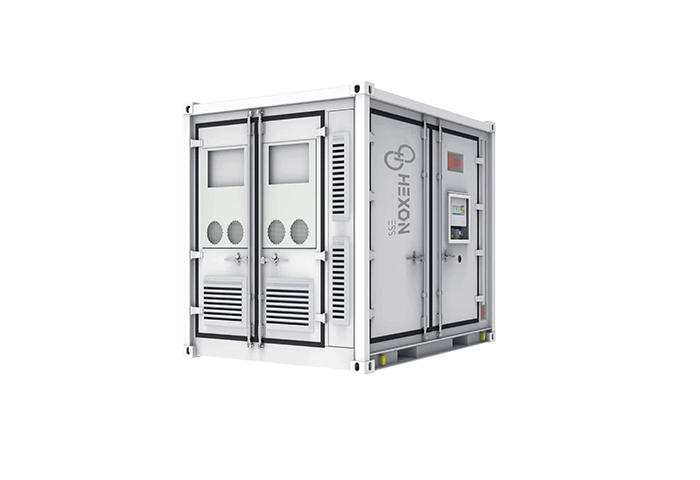
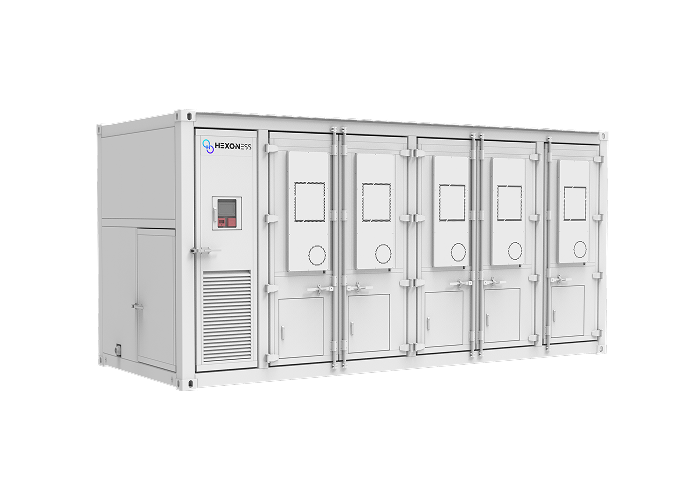
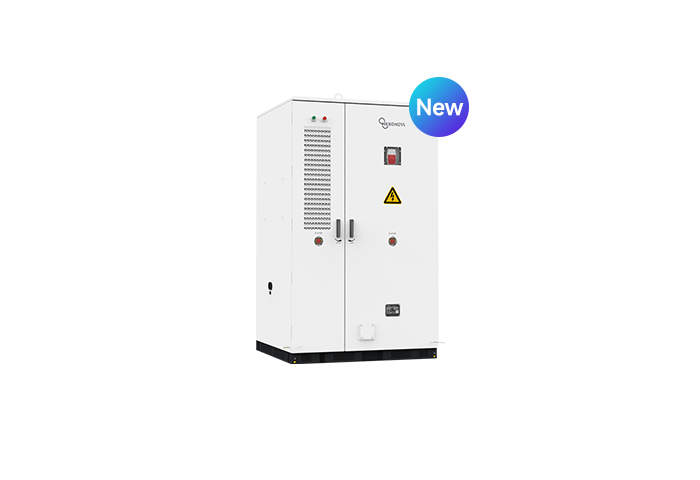
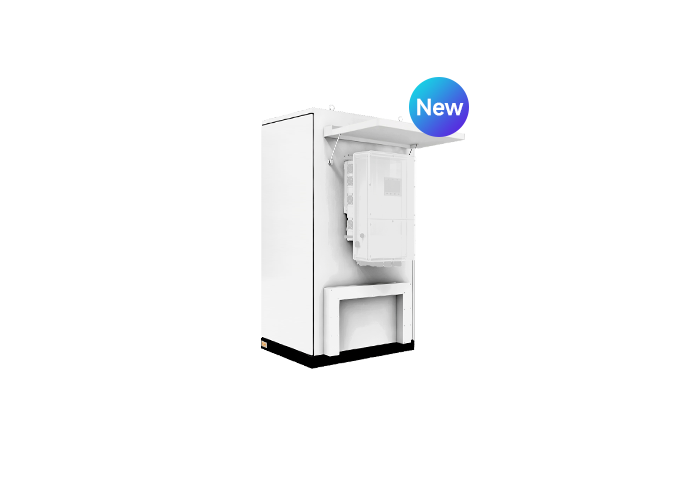
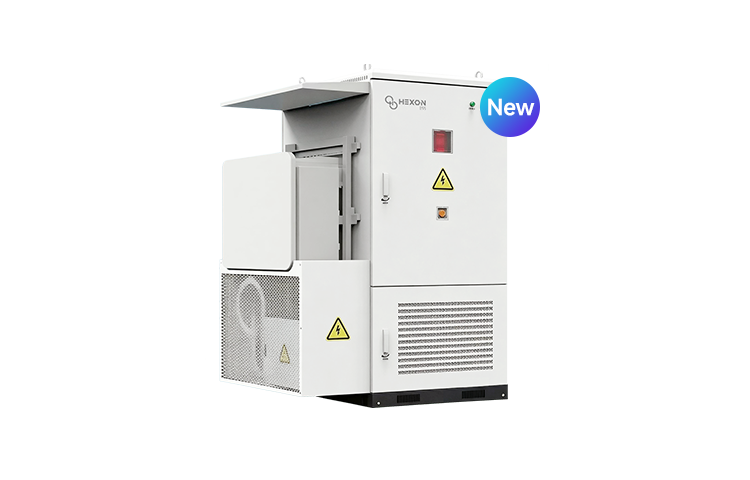
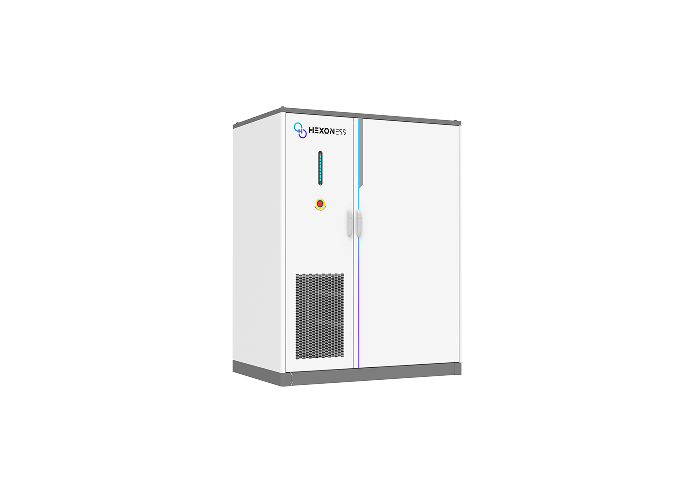
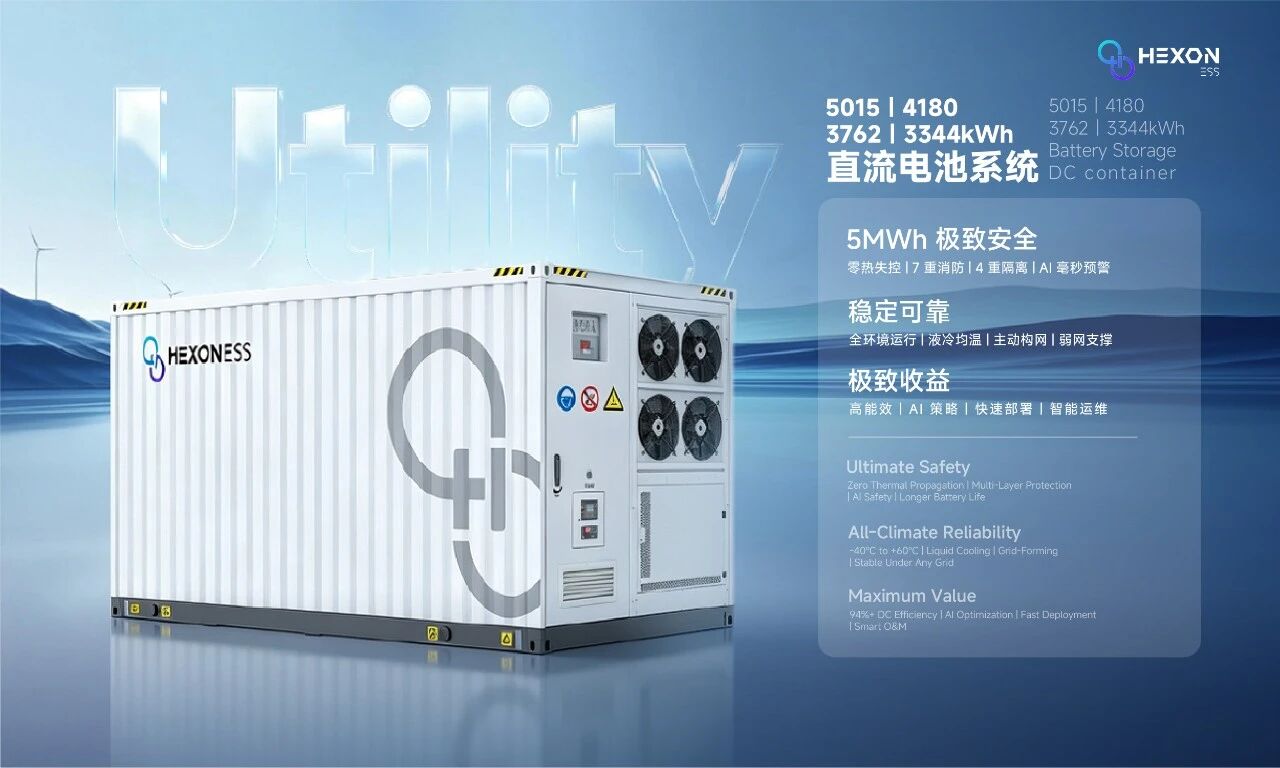
To tackle high-temperature operations, Hexen energy storage systems utilize a multi-tiered safety design—from cell and pack levels up to full system integration. Combined with intelligent thermal management and advanced fire suppression, the system minimizes thermal runaway risks and ensures long-term operational safety.
2. High-Efficiency Liquid Cooling Thermal Management
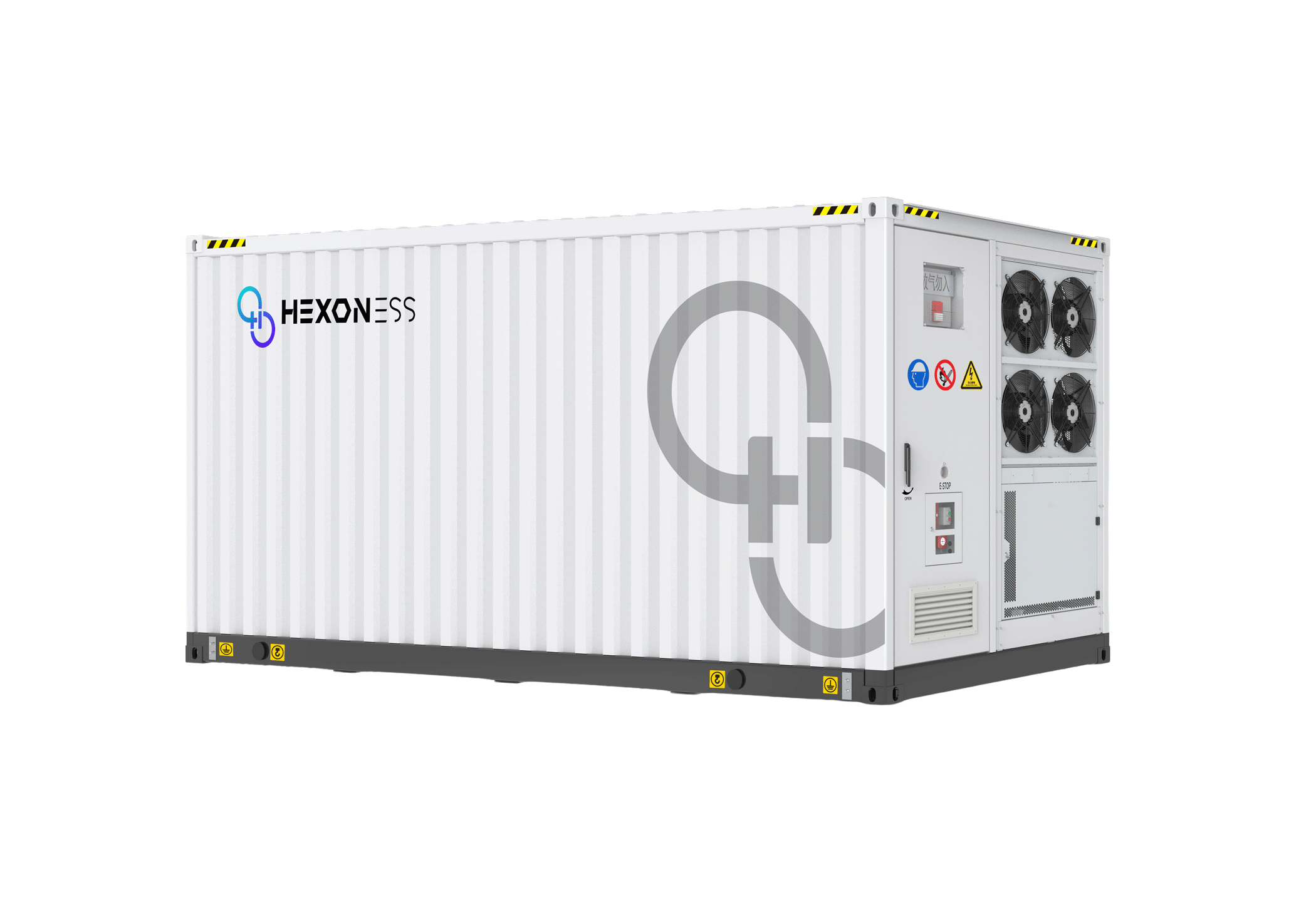
To adapt to diverse global climates, Hexen employs advanced liquid cooling technology. This maintains precise cell-to-cell temperature uniformity, maximizes system round-trip efficiency (RTE), extends battery cycle life, and meets the demands of heavy-duty operations in extreme heat.
3. Tailored Global Delivery Capabilities
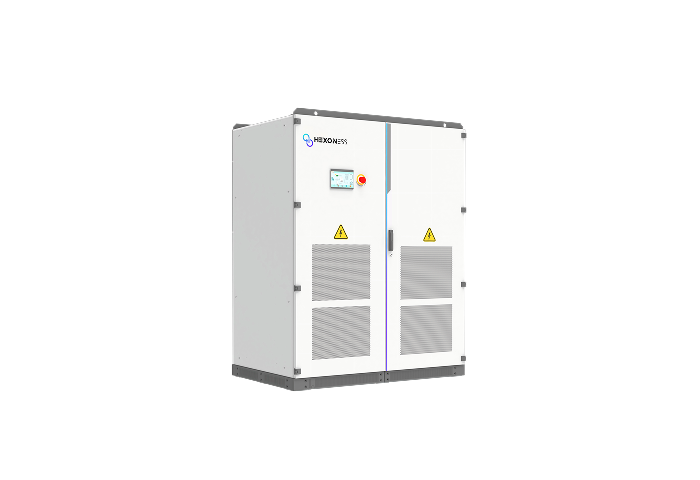
Different regions bring different grid codes, environmental challenges, and operational requirements. Supported by an experienced engineering team, Hexen Energy provides end-to-end services—from solution design and system configuration to project execution and lifecycle O&M—helping clients achieve optimal ROI.
Global Energy Transition Has No "One-Size-Fits-All" Answer
Extreme weather is redefining global energy priorities.
In Europe, energy storage is becoming a cornerstone for grid resilience and power independence.
In the Middle East, it represents high-temperature endurance and power reliability.
In Southeast Asia, it supports rapid renewable expansion and grid balancing.
Globally, energy storage has transitioned from a nice-to-have into an indispensable pillar of modern energy infrastructure.
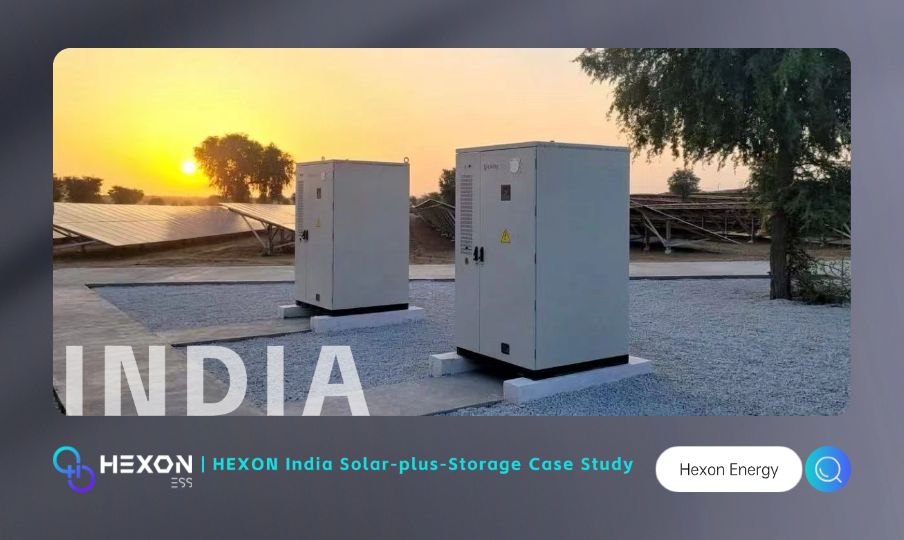
Hexen Energy remains committed to deep-diving into global markets. By delivering safe, efficient, and reliable energy storage solutions tailored to local application scenarios, we partner with customers worldwide to build a safer, more resilient energy future.