




FAQ

-
 What is off-grid energy storage, and what are its key application scenarios?


Off-grid energy storage refers to an independent power generation and storage system that operates completely separated from the traditional electricity grid.
How It Works:
During sunlight hours: Solar PV panels capture energy to power connected electrical loads via a charge controller/inverter, while simultaneously charging the battery bank.
During darkness or low generation: The battery bank discharges energy through the inverter to supply continuous AC power to the loads.
System Components: Typically includes photovoltaic (PV) modules, solar charge controllers, off-grid inverters (or all-in-one inverter-chargers), battery energy storage, and electrical loads.
Primary Application Scenarios:
Remote & Off-Grid Locations: Mountain villages, island communities, agricultural farms, and mining sites far from main power grids.
Critical Infrastructure: Telecom base stations, remote monitoring units, off-grid street lighting, and weather stations.
Mobile & Recreational Power: RVs, marine/yachts, campsites, and portable off-grid power stations.
Emergency Backup & Energy Independence: In European and global markets, used as standalone emergency back-up power for homes and cabins to ensure 100% sustainable energy self-sufficiency during severe blackouts.
-
How do energy storage systems provide grid services, and how do they generate revenue?
Battery Energy Storage Systems (BESS) deliver essential grid services by leveraging millisecond response times and flexible bidirectional power flows, creating multiple revenue streams across electricity markets:
Core Grid & Ancillary Services:
Frequency Regulation: Instantly injects or absorbs active power to stabilize grid frequency variations (e.g., secondary/tertiary frequency response reserves like aFRR in Europe).
Voltage Support: Supplies or absorbs reactive power via the Power Conversion System (PCS) to support regional grid voltage stability.
Reserve Capacity: Functions as spinning or non-spinning reserve to immediately cover sudden generation outages or demand spikes.
Black Start Capability: Provides self-starting power after a total grid blackout without external supply, restoring localized power grid sections and restarting mainstream generators.
Monetization & Market Participation:
Ancillary Service Tenders: Bids into real-time grid balancing markets to earn performance and availability payments.
Capacity Markets: Secures long-term capacity contracts in regional markets (e.g., European capacity mechanisms), receiving fixed payments for standing by as reliable capacity.
Revenue Stacking: Combines ancillary service revenues with day-ahead/real-time energy arbitrage and local demand charge reduction.
-
What is the cost of an energy storage system (ESS)?
The total cost of a Battery Energy Storage System (BESS) cannot be fixed with a single number—it must be calculated on a project-by-project and country-by-country basis.
Key factors driving overall ESS project costs include:
Core Equipment & Cell Costs: Battery cells represent the largest component of total capital expenditure (CapEx). Price movements in raw materials, cell manufacturing, and balance-of-system (BOS) components (like PCS inverters and BMS) directly dictate hardware pricing.
Freight & Geopolitical Logistics: Recent global conflicts and supply chain disruptions have increased international shipping risks, leading to higher freight rates, insurance costs, and import tariffs depending on the delivery region.
Scale, Permitting & EPC Services: Larger projects benefit significantly from economies of scale. Local installation requirements, site preparation, grid interconnection fees, and compliance certifications (e.g., UL9540A, CE) vary widely across international markets.
-
How does an energy storage system (ESS) achieve dynamic capacity expansion, and what are its practical benefits?
Energy storage systems achieve dynamic (or "virtual") capacity expansion through automated peak-shaving and discharge timing algorithms:
How It Works: When local power demand exceeds the primary transformer's physical capacity threshold, the ESS's Energy Management System (EMS) triggers instant discharging. The stored energy supplements grid power in real time, allowing total peak load power to exceed the transformer’s rated capability without tripping the system or overloading the grid.
Key Benefits for Practical Applications:
Avoids Costly Infrastructure Upgrades: Eliminates the need for capital-intensive transformer replacements and line expansion when installing EV fast-charging stations or adding industrial factory loads.
Reduces Peak Demand Charges: Limits maximum power drawn from the grid during peak hours, significantly reducing monthly capacity and demand charges for commercial and industrial users.
Supports Renewable Integration: In global markets, virtual capacity expansion helps local power grids handle temporary power spikes caused by high penetration of renewable energy without requiring physical grid reinforcement.
-
What is the relationship between energy storage systems and green energy consumption?
Energy storage systems (ESS) serve as a foundational enabler for green energy integration by bridging the gap between volatile renewable generation and real-time electricity demand. Key relationships include:
Mitigating Wind and Solar Curtailment: Renewable power generation from wind and solar often peaks when grid demand is low. ESS captures and stores this surplus green power instead of letting it go to waste (curtailment), unlocking maximum output from renewable assets.
Smoothing Renewable Intermittency: By discharging stored energy during peak load hours or low generation periods, storage converts intermittent green electricity into reliable, dispatchable power.
Supporting Decarbonization Targets: In regions like Europe, widespread storage adoption alleviates power grid congestion and maximizes green power utilization. This directly drives progress toward the EU’s binding Renewable Energy Directive (RED III) target of achieving at least 42.5% renewable energy in total consumption by 2030.
-
Energy Storage Response Speed & Impact on Power Grids
The response speed of an energy storage system (ESS) depends on its technology, with lithium-ion battery systems achieving millisecond-level response times (typically under 100ms).
This fast response rate provides critical operational benefits:
Grid Stability & Frequency Regulation: Instantly injects or absorbs power to maintain target grid frequencies and minimize voltage fluctuations.
Renewable Energy Integration: Smooths out the sudden intermittent output of solar and wind power, enabling higher renewable penetration.
Market Monetization (e.g., European Markets): Meets the strict performance thresholds required to participate in automatic Frequency Restoration Reserve (aFRR) tenders and deliver high-value grid balancing services.
-
What are the application scenarios for large utility-scale energy storage system?
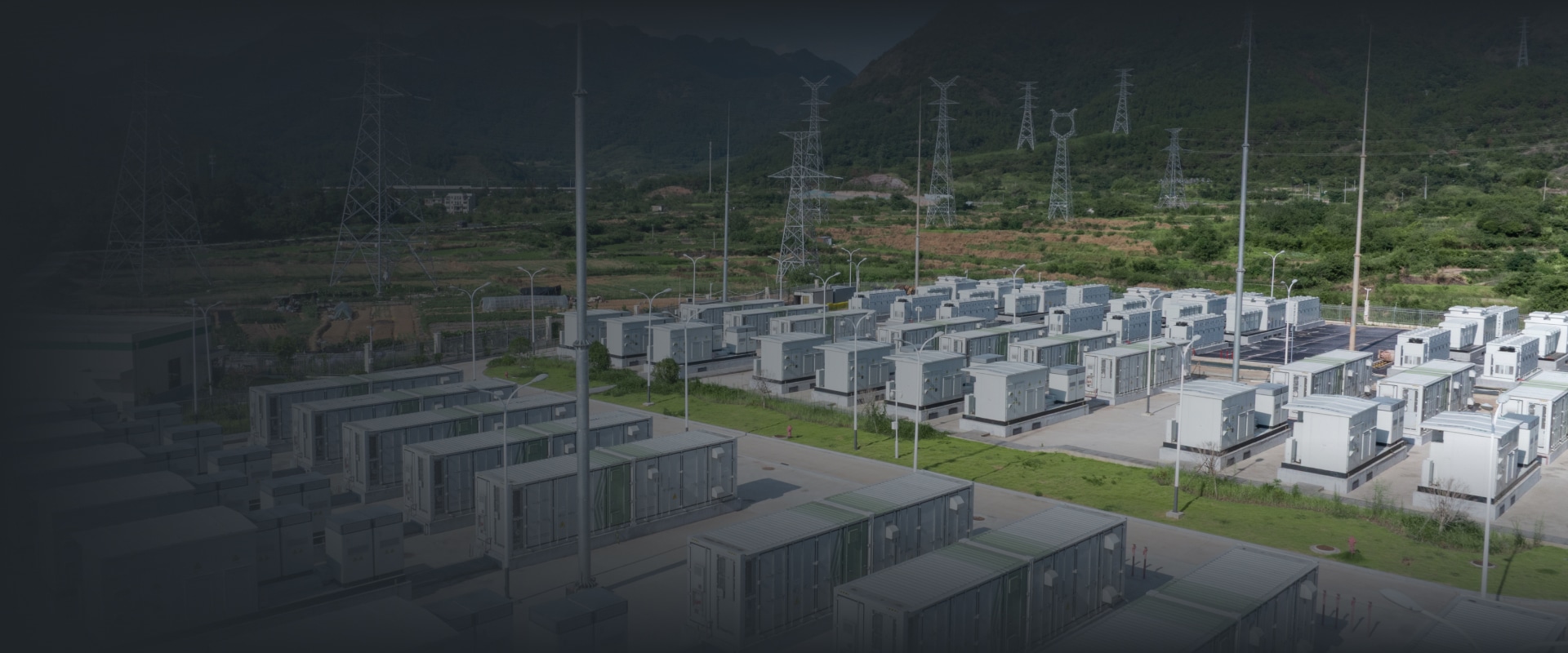
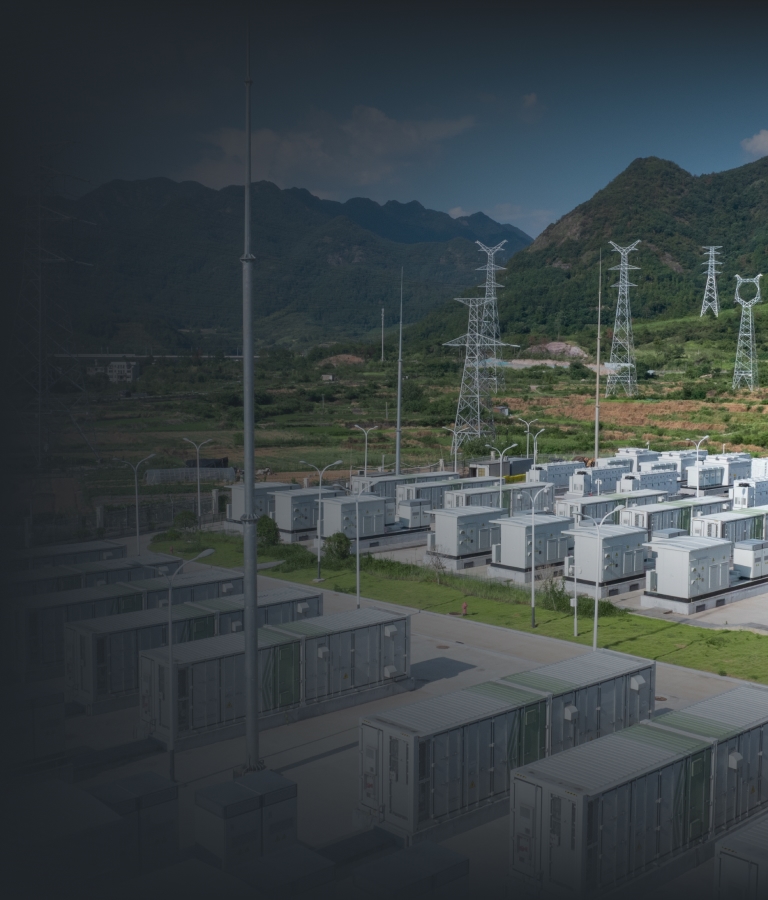
It is primarily used on the grid side to achieve peak shaving and frequency regulation, alleviate grid congestion, enhance the grid's capacity to accommodate renewable energy, and serve as an emergency backup power source to improve the stability of regional grids.