




FAQ

-
 How much footprint/space does the commercial & industrial energy storage system occupy?


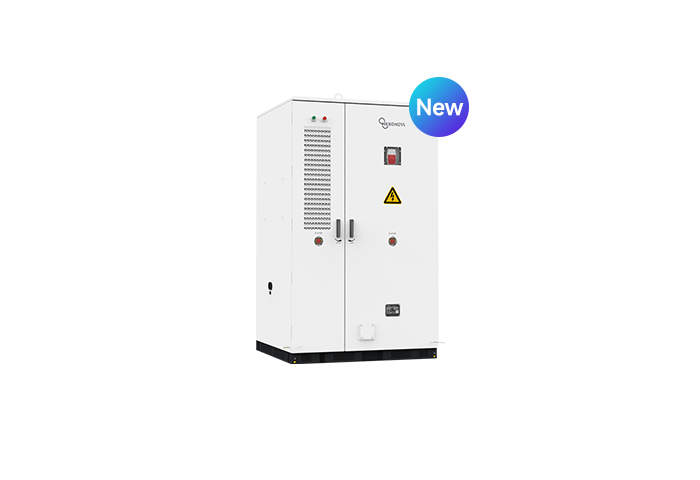
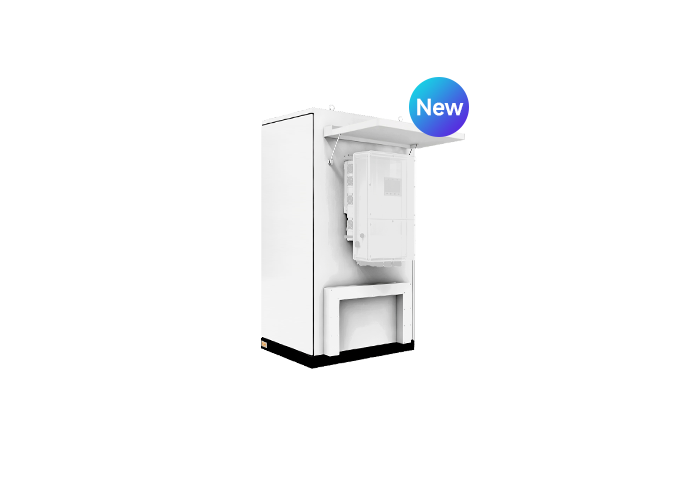
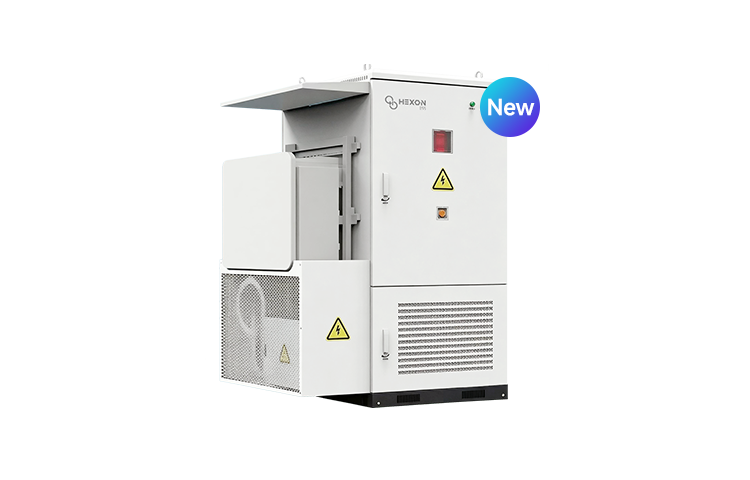
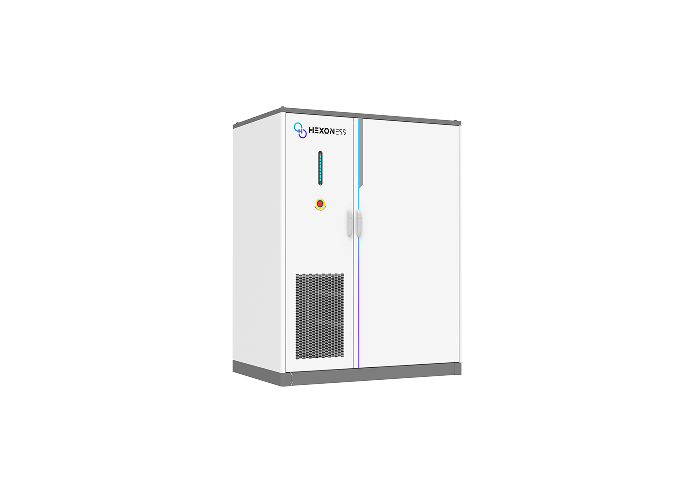
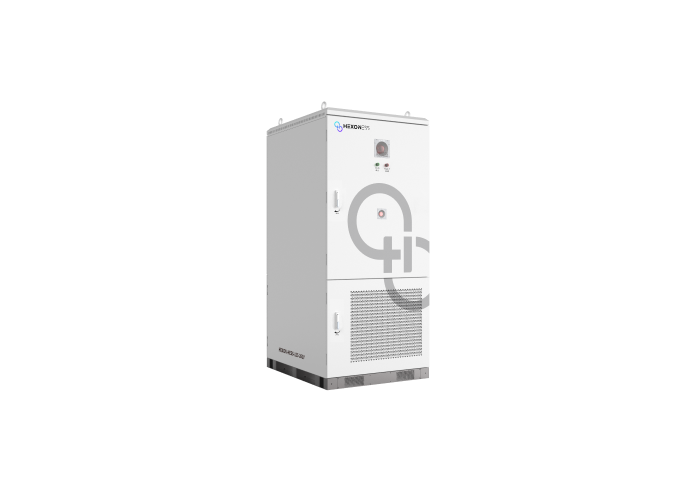
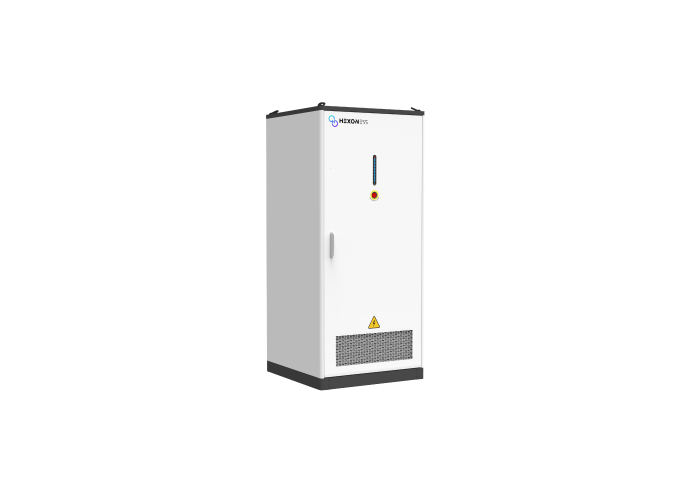
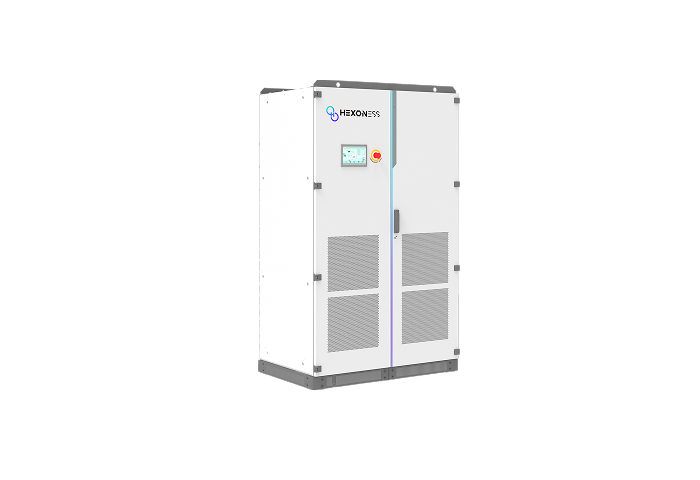
Taking our 125 kW / 261 kWh C&I energy storage system as an example, the equipment dimensions are 1.1m × 1.32m, giving a single cabinet footprint of approximately 1.45 square meters. For a 1 MWh project, a centralized layout requires an estimation of only 10 square meters (including civil engineering foundations). Additionally, it supports flexible distributed configuration to adapt to various site limitations.
-
Which brand of battery cells does your company use, and are they compatible or interchangeable with other brands?
Our energy storage systems primarily utilize premium battery cells from Hithium. To ensure the overall system compliance, global product certifications, safety, and optimal performance, replacing or mixing them with other battery brands is not recommended.
-
What is the lifespan and performance of the energy storage system?
The calendar life of our energy storage cells exceeds 15 years, supporting over 8,000 charge/discharge cycles, while other auxiliary components have a design life of more than 10 years. Thanks to our single-cabinet design, cells are managed cluster-by-cluster without DC-side paralleling, which optimizes capacity management. Furthermore, each cabinet features independent temperature control and fire suppression systems, delivering an absolute advantage in overall lifespan compared to large containerized energy storage systems.
-
What are the key safety features of an energy storage system?
Our systems use a multi-layer safety approach to protect equipment and personnel:
Fire Suppression: Automatic aerosol fire extinguishing with smoke and temperature detection.
Electrical Monitoring: Real-time insulation impedance and leakage detection.
System Protection: Built-in anti-islanding, AC overcurrent, and surge protection.
Safe Operation: Constant monitoring via the BMS to prevent overheating or short circuits.
-
What is the "All-in-One" design philosophy in energy storage systems?
It is a fully integrated system where all core components (Battery, BMS, PCS, and EMS) are housed in one single unit.
Integrated: One unit for communication, control, and power.
Plug-and-Play: Faster installation and lower labor costs.
Flexible: Supports both grid-tied and off-grid modes.
Scalable: Easy to expand as your energy needs grow.
-
What are the key technical parameters for a C&I single cabinet energy storage system?
When evaluating a Commercial & Industrial (C&I) energy storage cabinet, several key parameters determine the system's performance, safety, and ROI. Using a standard 125kW / 261kWh system as a benchmark, here are the essential specifications to consider:
Cell Specification: High-quality Lithium Iron Phosphate (LFP) cells, typically 314Ah, are preferred for their long cycle life and thermal stability.
System Capacity: The total energy stored, for example, 261kWh with a high Depth of Discharge (e.g., 95% DOD) to maximize usable energy.
Charge/Discharge Rate: Usually ≤ 0.5C, which balances high efficiency with battery longevity.
Cycle Life: A critical metric for long-term investment, often reaching ≥ 8,000 cycles.
Rated Output Power: The capacity of the inverter/PCS, such as 100kVA or 125kW, depending on the load requirements.
Protection Level: For outdoor installations, an IP54 or higher rating is necessary to ensure dust and water resistance.
Operating Temperature Range: A robust system should function reliably between -30°C and +55°C to handle diverse climates.
-
What are the key units for energy storage systems (kW/kWh), and what do 1C and 0.5C mean?
The units are kW/kWh, where kW represents the power of the PCS in the system, and kWh represents the total capacity of the batteries in the system. 1C means the energy storage system is fully charged in 1 hour, i.e., PCS power ÷ battery capacity = 1C. 0.5C means PCS power ÷ battery capacity = 0.5C; our companyIs eBOX.215
energy storage system is 0.5C.