





Power Shortage vs. Power Curtailment: How Energy Storage Breaks the Paradox of Renewable Energy


I. The Paradox: Coexistence of Shortages and Waste
Under extreme high-temperature weather, we not only endure sweltering heat but also face severe disruptions to production and daily life caused by power shortages. Paradoxically, while electricity is in high demand, a vast amount of green energy—particularly wind and solar—is being wasted. The curtailment rates for these renewable sources are alarmingly high. This contradiction of "having power but being unable to use it" versus "having power but being unable to transmit it" is rooted in the unique physical attributes of electricity.
II. The Core Reason: Electricity Cannot Be Directly Stored
The electricity we use is the flow of electric charges, meaning that generation, transmission, and consumption must happen simultaneously. The power grid must remain in a state of dynamic equilibrium at all times.
The Traditional Era: Dominated by thermal power (coal and gas), generation could be flexibly adjusted to easily maintain the supply-demand balance.
The Renewable Era: Wind and solar power are weather-dependent. Their instability leads to violent fluctuations in generation:
Under-generation → Leads to power shortages.
Over-generation → Cannot be integrated into the grid for consumption → Leads to Power Curtailment.
Energy Storage is the key to breaking this deadlock. Acting as a "power bank" for the electrical system, it stores surplus electricity in advance and releases it when needed, making unstable green energy controllable and reliable.
III. Industry Pain Points: Two Major Challenges Amid Rapid Expansion
While the market is exploding, two core issues have surfaced:
Lifespan "Plummet": Actual Longevity Falls Short of Claims
Many products claim an operational life of 10–20 years, yet experience large-scale shutdowns after only 3–5 years, with cycle counts less than half of what was promised.
The Root Cause: During lithium-ion battery charging and discharging, ions move between the positive and negative electrodes. Each cycle causes a trace amount of ions to become inactive, leading to capacity decay over time.
Higher Demands: Storage batteries require much higher frequencies than EV batteries. To achieve a 10-year lifespan at one cycle per day, a battery must support at least 6,000 cycles.
Safety Hazards: Thermal Runaway and Chain Risks
Over 80 safety accidents in energy storage stations have been reported globally, where the transition from smoke to explosion often takes only seconds.
Sources of Risk: Energy storage is a complex integration (cell → pack → container → station). A failure at any link can trigger Thermal Runaway.
Harsh Environments: Many stations are built in deserts or Gobi regions. Extreme operating conditions further exacerbate safety challenges.
Domino Effect: Thermal runaway triggers heat propagation, spreading like dominoes and ultimately leading to large-scale fires or explosions.
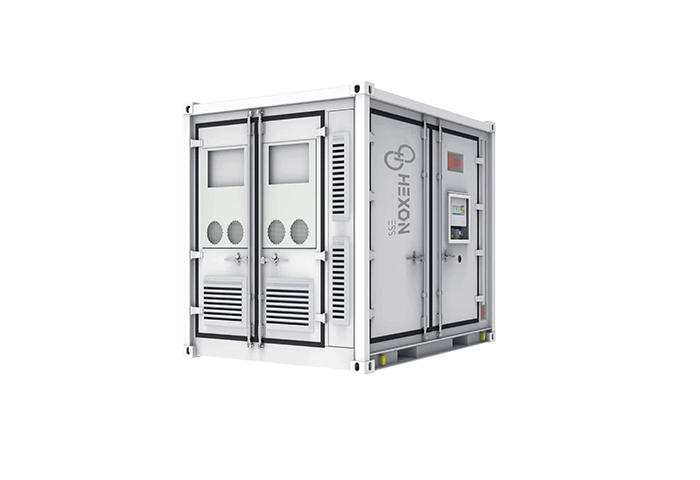
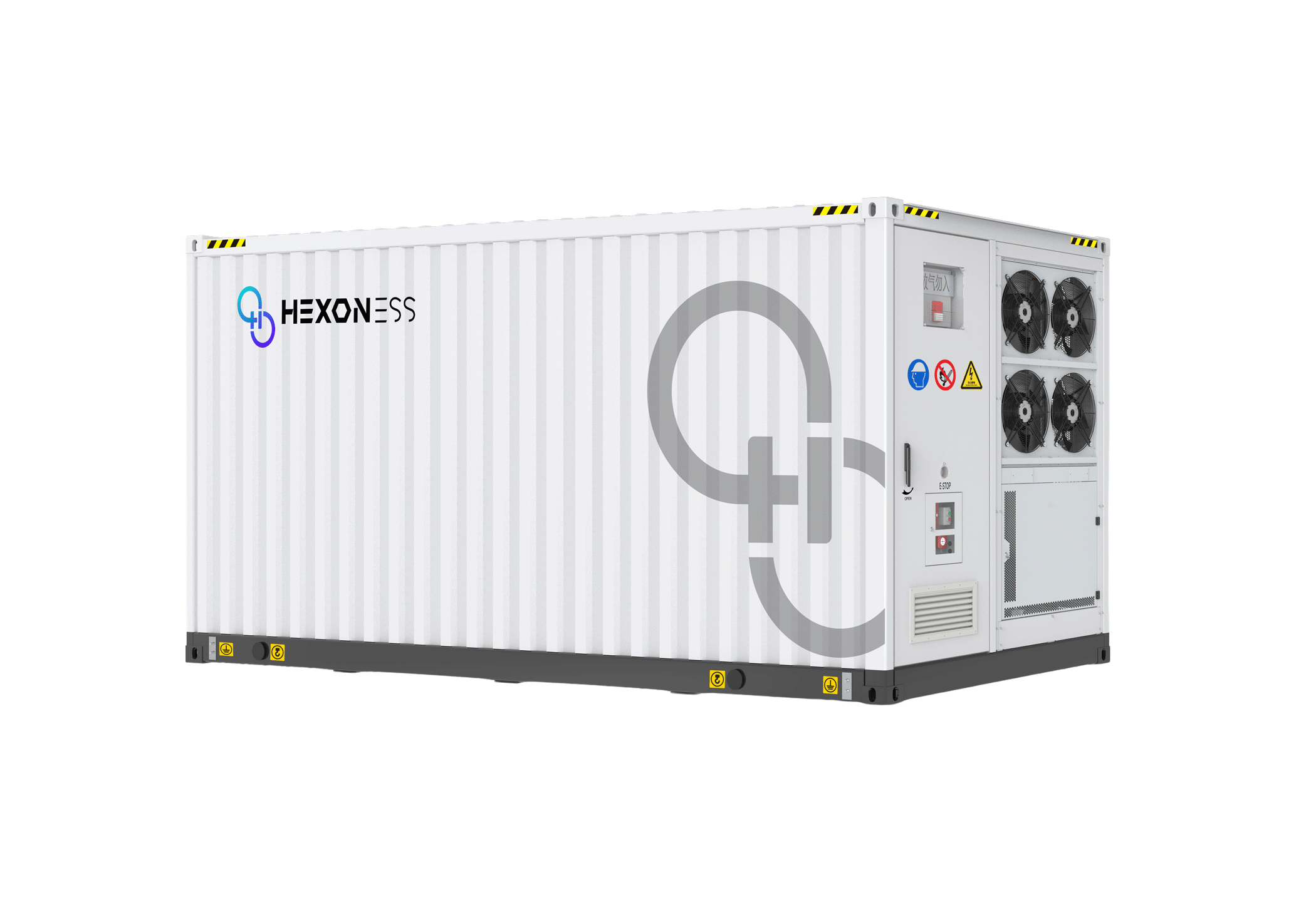
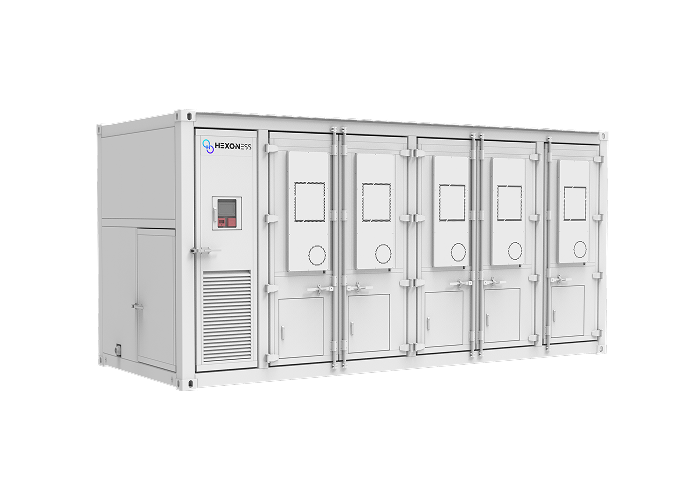
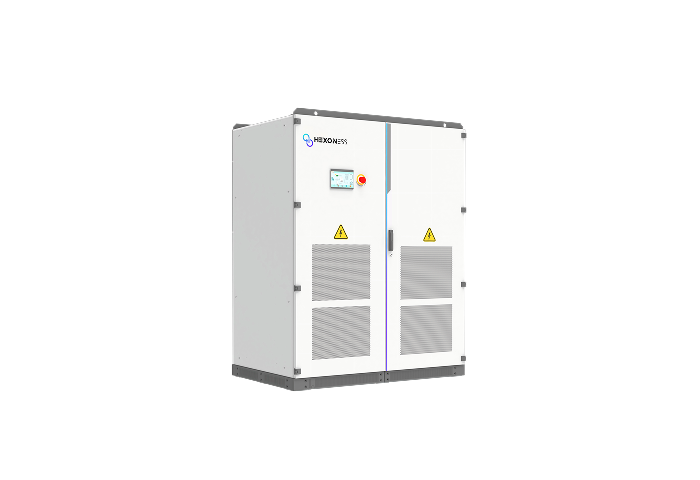
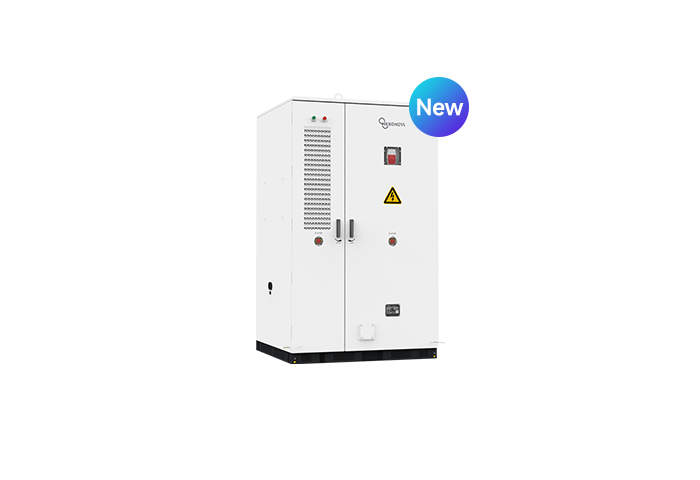
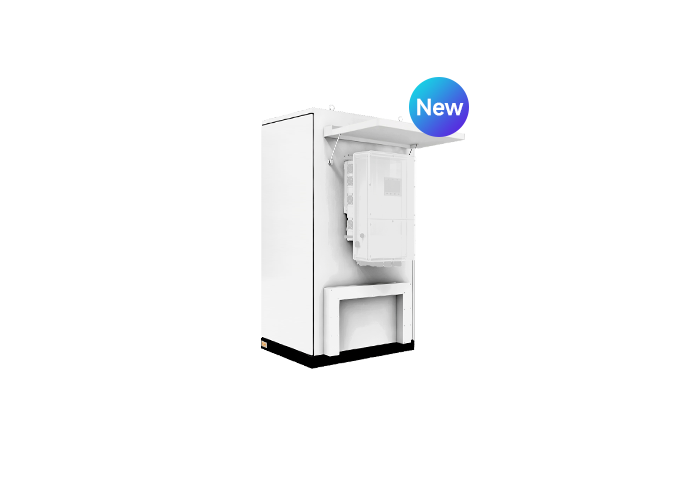
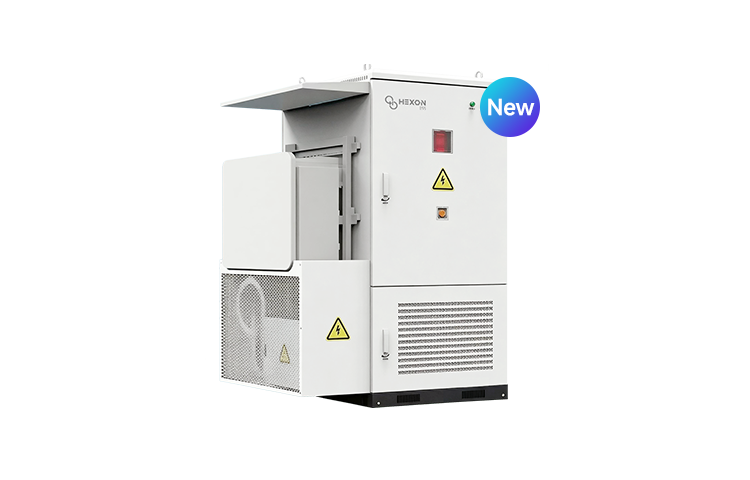
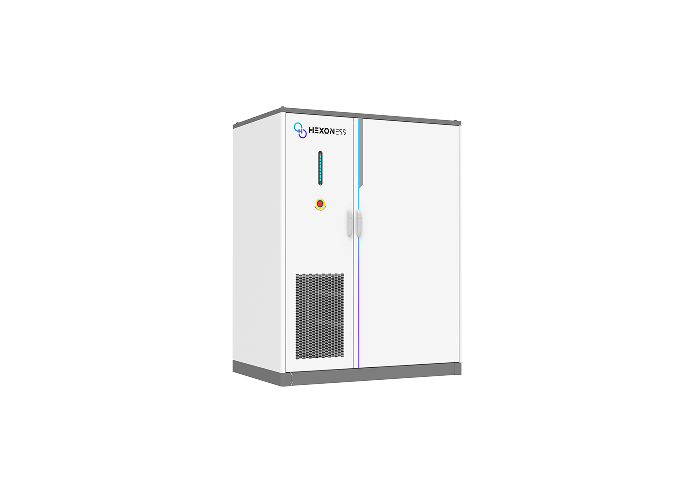
IV. The Solution: Hexon Energy
How does Hexon Energy solve these two major industry dilemmas?
✅ Ultimate Safety: Multi-layer System-level Protection
To achieve system-wide safety, we have established a dedicated quality management system for energy storage, elevating safety to the systemic level:
Innovative Thermal Exhaust: Compared to traditional direct exhaust, the probability of in-cabin explosion is reduced by 80%+, and explosion hazards are reduced by 60%+. The combined risk (explosion + hazard) is reduced by 70%+.
7-Layer Fire Protection + 4-Layer Module-level Physical Isolation: This achieves zero heat propagation from cell to system. Even if a single cell fails, the heat conduction chain is severed to prevent spread.
Unique Gas/Smoke Channels: These physically isolate combustible gases from high-voltage components, rapidly discharging high heat and pressure to ensure insulation safety and pressure relief.
By layering protection across cells, modules, and containers, Hexon Energy nips safety failures in the bud.
✅ Ultra-Long Lifespan and Efficient O&M
The lifespan of a storage system depends fundamentally on the battery cells. Hexon Energy achieves a leap in both longevity and efficiency through technical innovation:
Active Balancing Technology: Increases available capacity by 15%+, extends lifespan by 30%+, and reduces maintenance costs by 50%+.
High Energy-Efficiency Cells: Featuring 587Ah/94.5% (0.5P) and 1175Ah/95.5% (0.25P) cells, our system efficiency is fully upgraded, ensuring more stable and economical power.
Automatic Liquid Cooling Refill: Real-time monitoring and refilling reduces O&M by 90%, stabilizes system pressure/flow, and lowers costs while extending life.
Ultra-Wide Temperature Management with AI Control: Supports full-power operation from -40°C to +60°C with C3~C5 corrosion resistance, adapting to harsh environments like deserts, coastal areas, and high altitudes.
"Storm Mode": Early warning and proactive preparation. Our intelligent system detects extreme weather trends and triggers disaster-preparedness strategies and backup power allocation, minimizing the risk of outages and ensuring business continuity.
The future of energy storage will face even more challenges. Hexon Energy will continue to explore and provide more reliable products to empower a green future.