





BESS Cycle Life Explained Beyond the Cycle Count


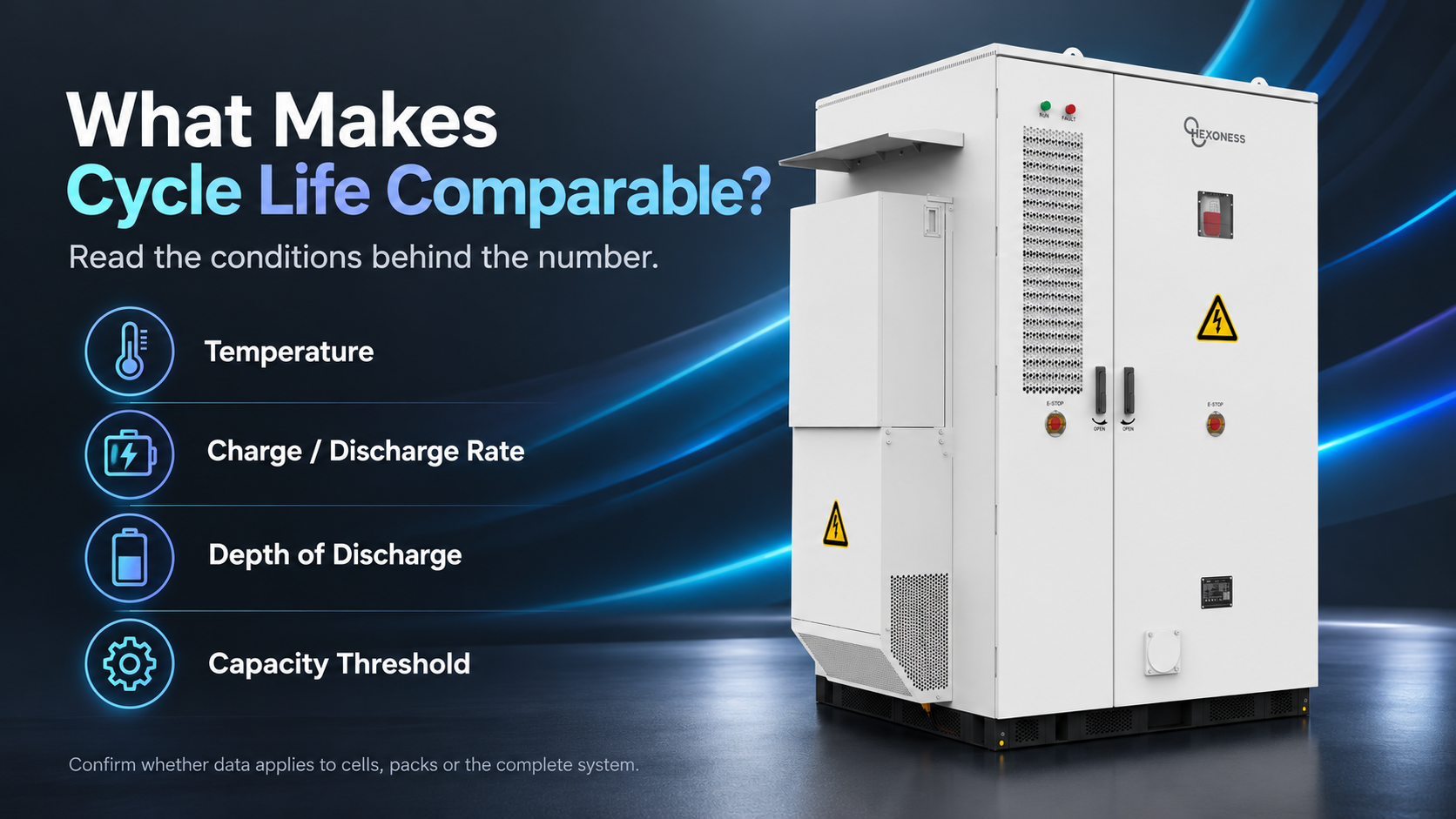
A cycle count is a useful battery specification, but it cannot describe the full operating life of a commercial energy storage project. A figure such as 8,000 or 10,000 cycles needs to be read alongside temperature, charge and discharge rate, depth of discharge and the end of life capacity threshold.
For project owners, the practical questions are how much usable energy remains over time, when service or replacement may be needed and which performance commitments are covered by the contract.
Distinguish cycle aging from calendar aging
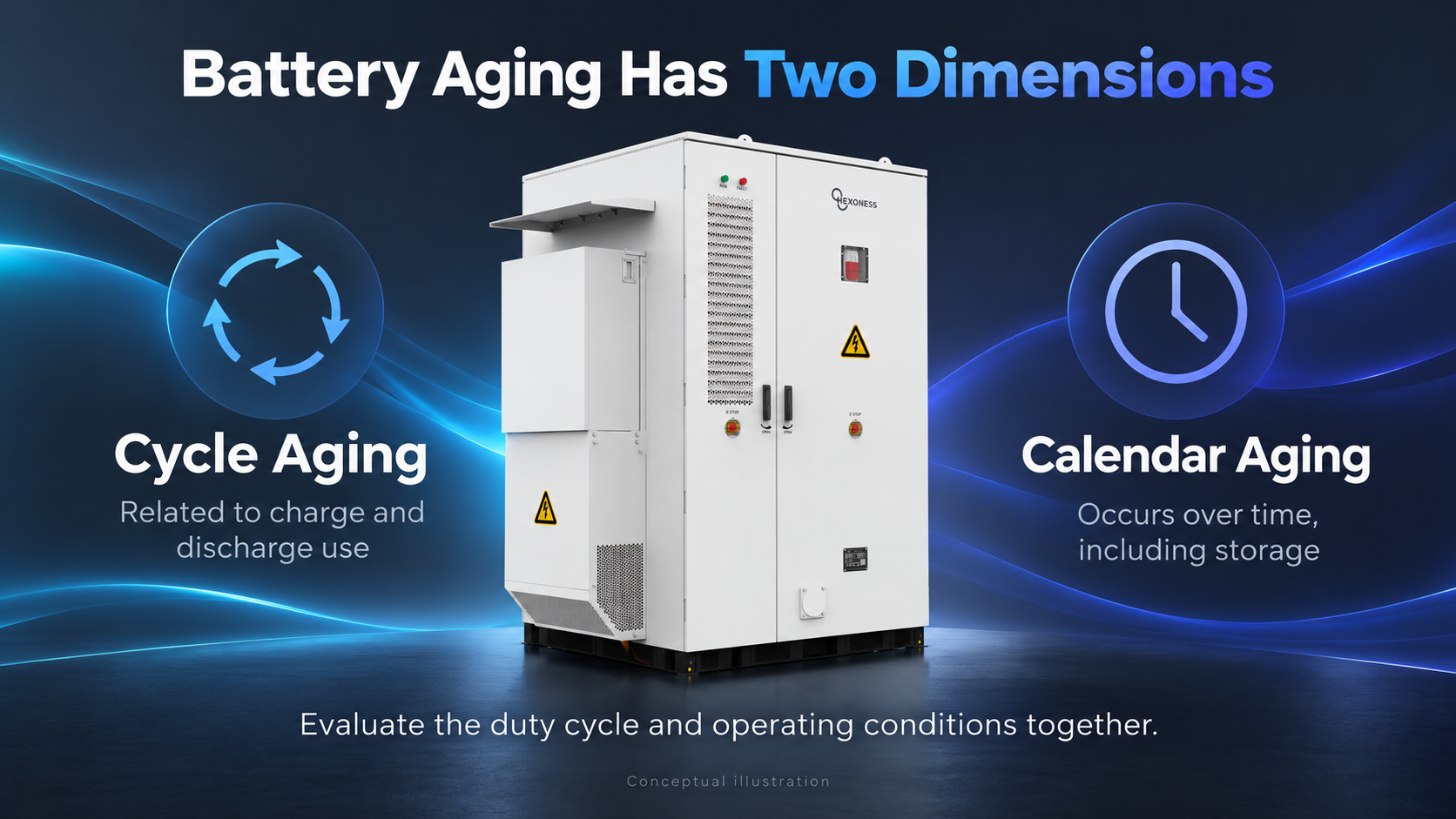
Cycle aging relates to battery use. Calendar aging occurs over time, including periods when the battery is not cycling. Temperature, state of charge history, current and cycle depth all influence degradation.
Dividing a quoted cycle count by daily cycles therefore does not produce a dependable service life promise. A field operating schedule may differ materially from the conditions used to establish the quoted figure.
Compare equivalent test conditions
Request the test temperature and thermal control conditions, charge and discharge rates, depth of discharge or SOC window, and retained capacity threshold. Confirm whether the figure refers to cells, packs or a complete system, and whether it comes from testing or modeling.
Two cycle counts measured to different capacity thresholds are not equivalent. Neither are results produced at different depths of discharge. Use evidence that is relevant to the proposed duty cycle.
Connect degradation to project performance
Nominal capacity describes the initial equipment specification. Usable energy also depends on SOC settings, operating limits and battery condition. As capacity falls, discharge duration at the same power may shorten.
For a 215 kW/418 kWh configuration, nominal energy divided by rated power is approximately 1.94 hours. This is not an AC delivery guarantee and does not establish a constant duration throughout the project life.
Where a project must maintain a specified energy delivery over several years, discuss initial capacity allowance, augmentation or other design options and include their cost in the assessment.
Interpret the HA-215-418-2 specification carefully
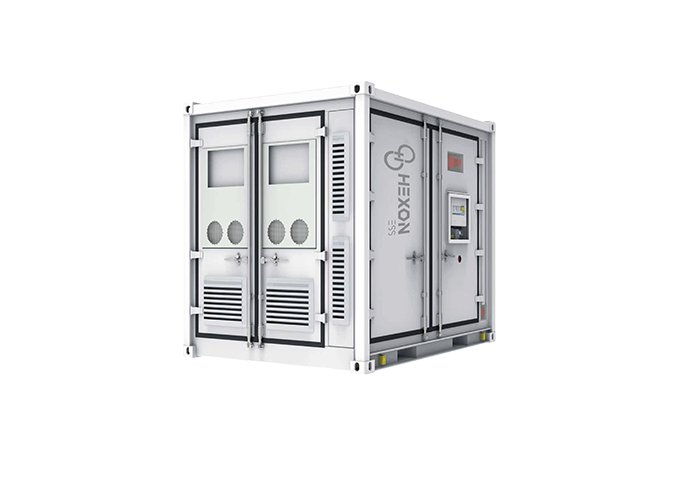
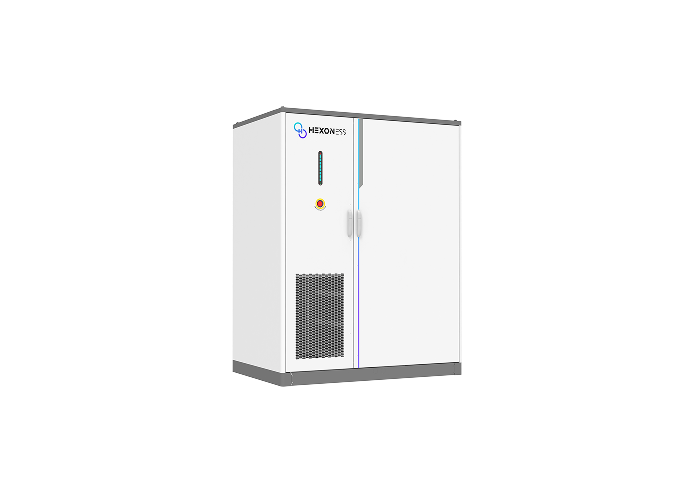
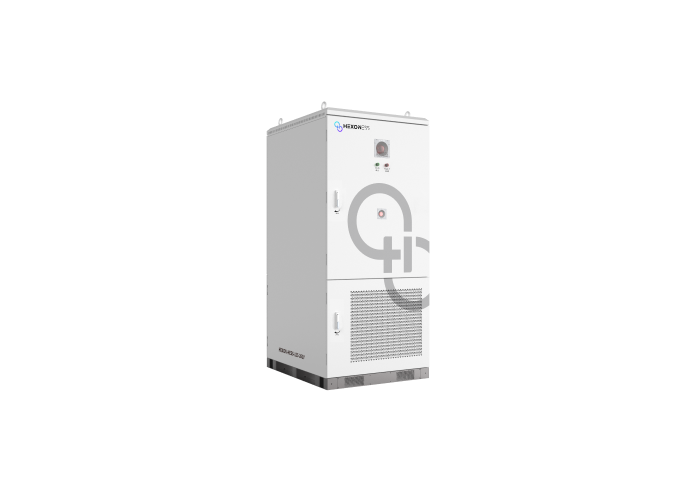
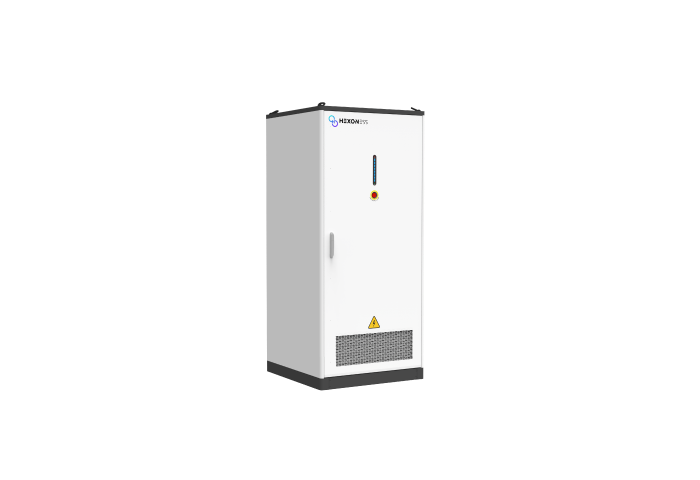
The Hexon Energy HA-215-418-2 datasheet lists a cycle count range of 8,000 to 10,000. The published parameter table does not fully state all corresponding temperature, depth of discharge and capacity threshold conditions. Treat the range as a listed product specification and request the supporting conditions before using it in a financial model or performance commitment.
The system uses LFP cells and intelligent liquid cooling. Thermal management is part of lifetime management, but the cooling method alone does not establish a quantified life extension.
Build lifetime assumptions into procurement
Compare scenarios with different utilization, degradation and downtime assumptions. Assess annual delivered energy and future service requirements. Distinguish technical life, economic life and warranty duration: equipment can remain operational while no longer meeting the original energy target.
Frequently asked questions
Is one cycle the same as one day
No. Projects may carry out multiple partial charge and discharge events. State how cycles or equivalent full cycles are counted.
Is cycle life a warranty
No. Review contractual years, throughput, retained capacity, operating conditions and exclusions.
How can I assess my project
Share the intended operating schedule, SOC window and site conditions with Hexon Energy to discuss applicable lifetime evidence and warranty terms for the HA-215-418-2.