





Liquid Cooled Battery Storage Selection for Commercial and Industrial Projects


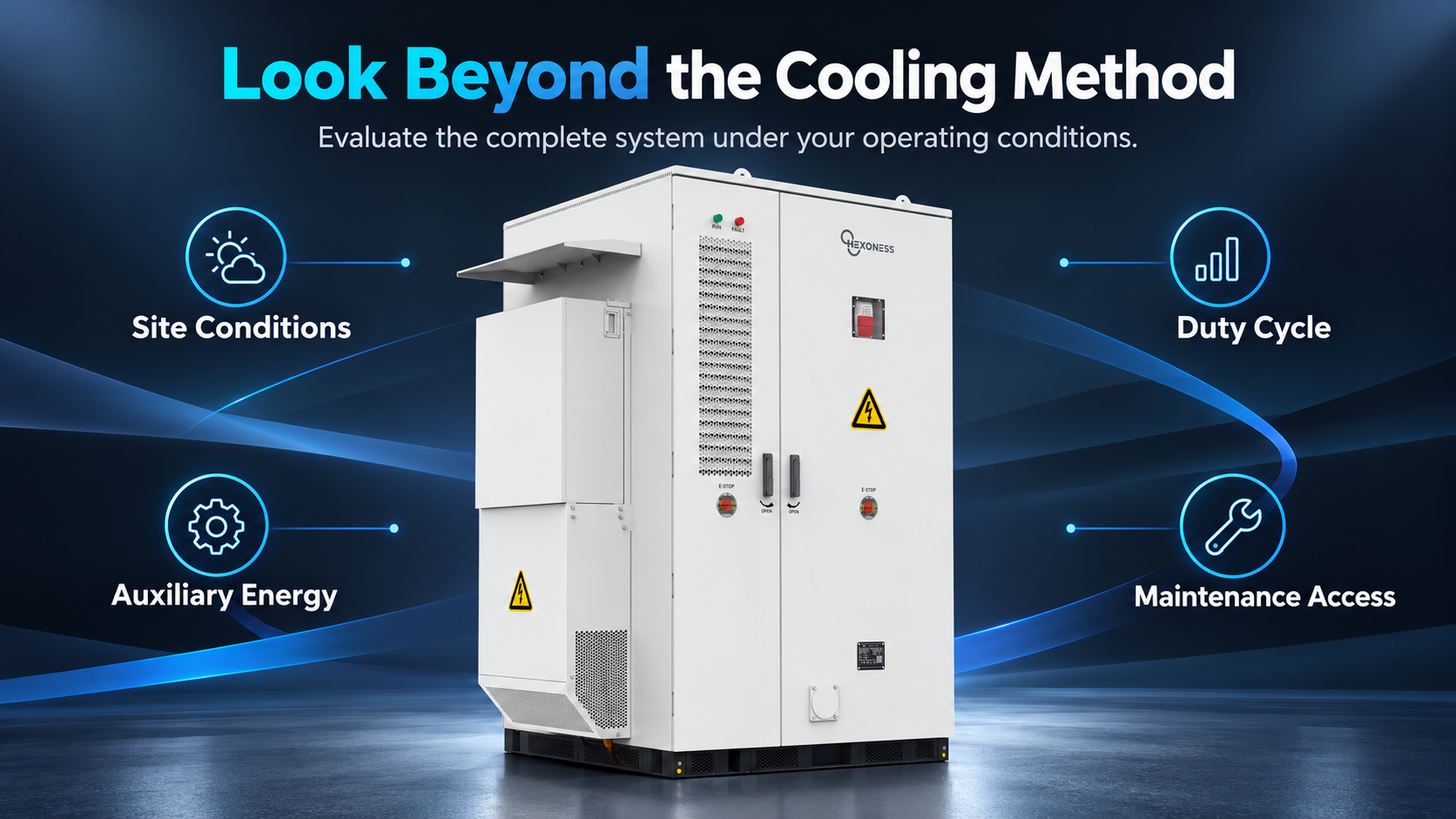
When selecting liquid cooled battery storage, the cooling method is only part of the decision. EPC contractors and project owners also need to evaluate operating conditions, temperature distribution, auxiliary consumption and service access. The useful comparison is how the complete system performs under the proposed duty cycle.
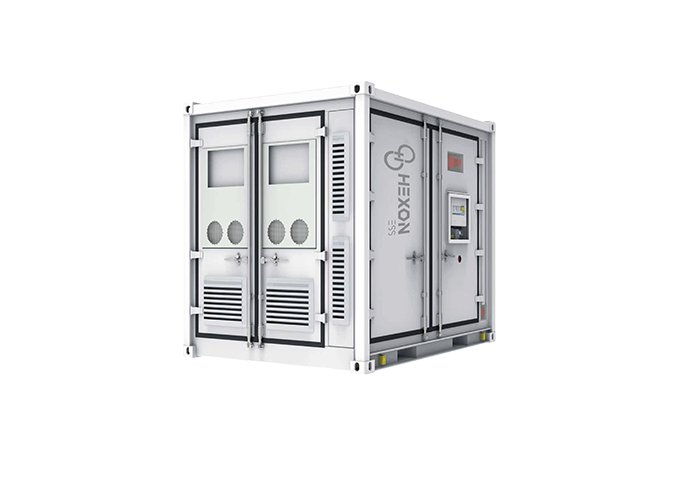
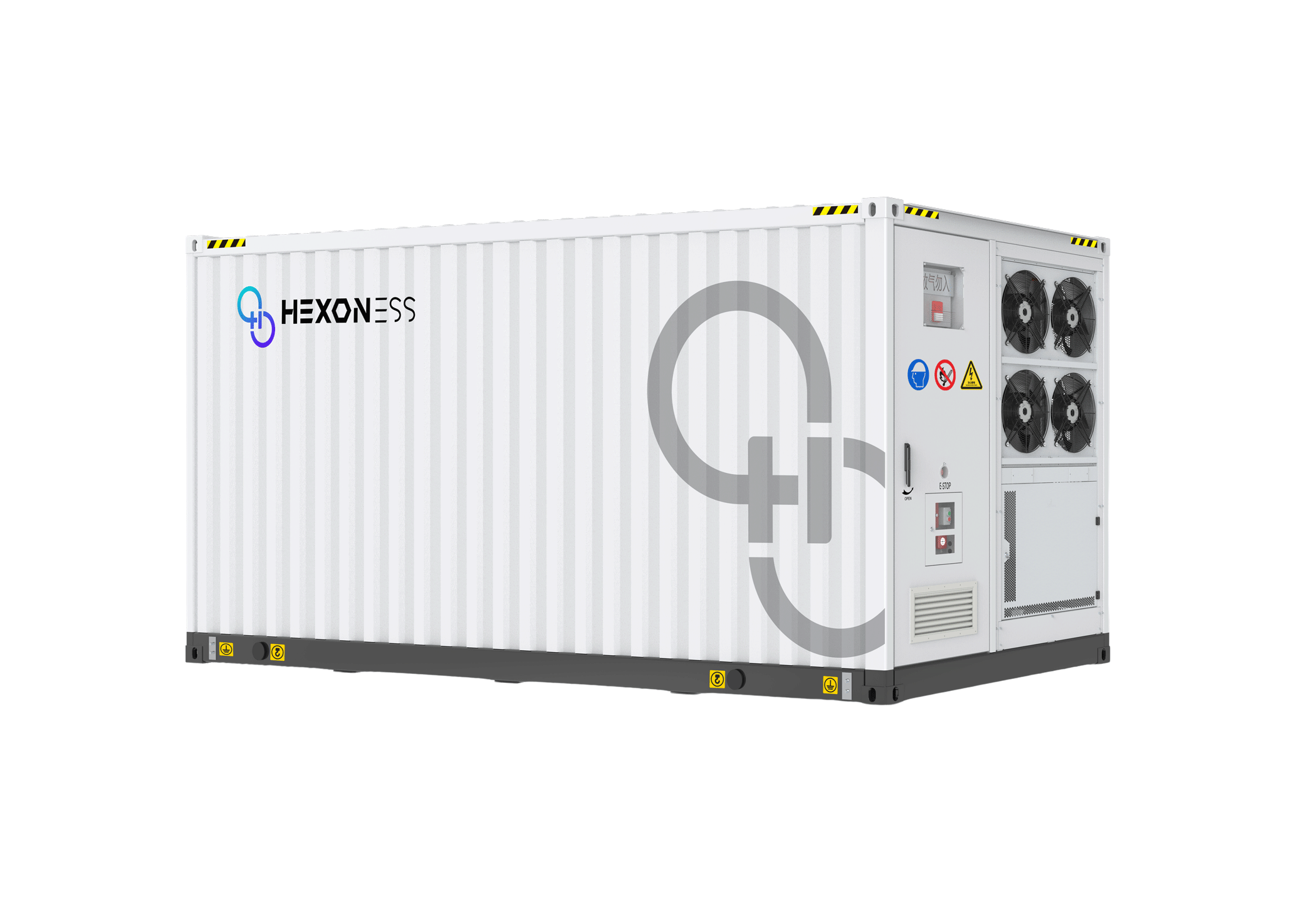
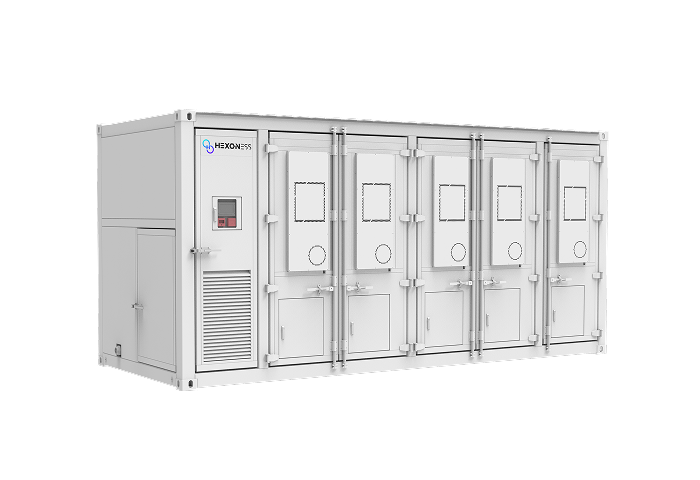
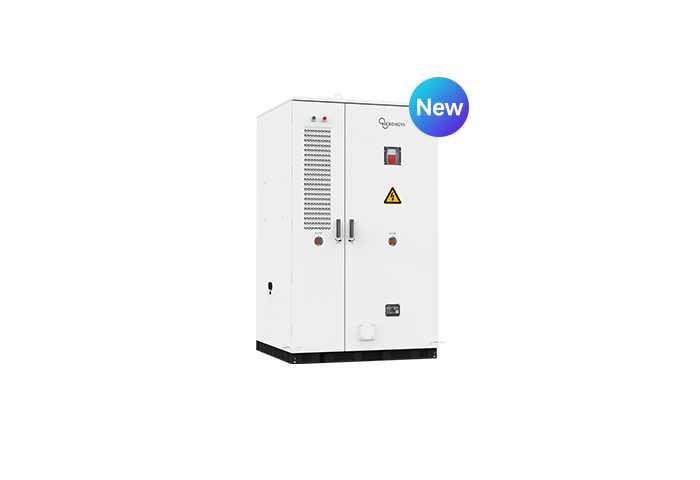
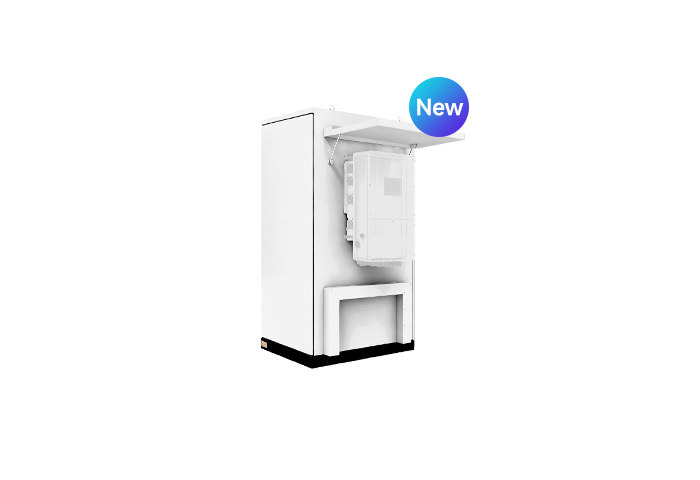
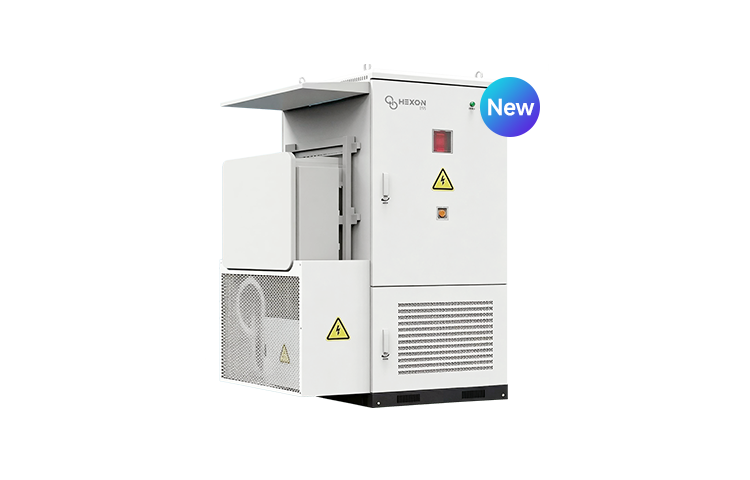
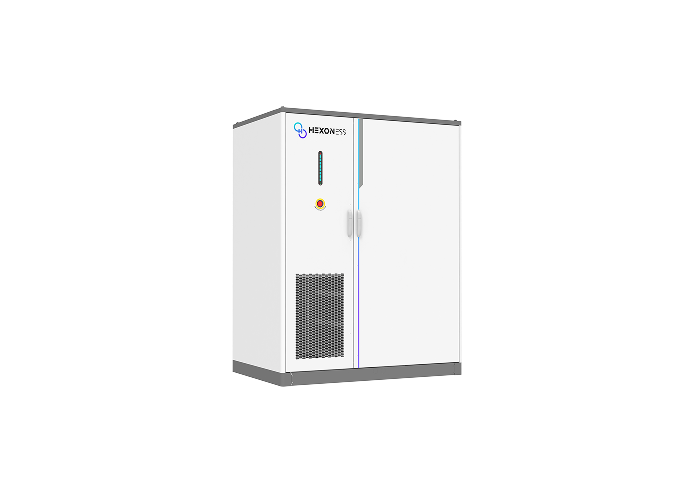
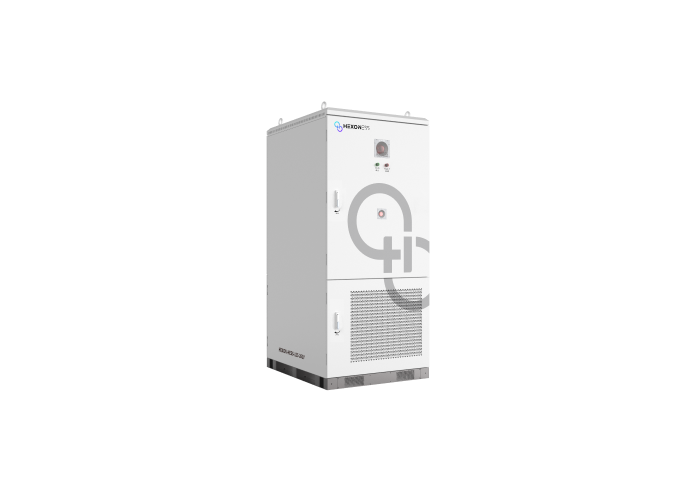
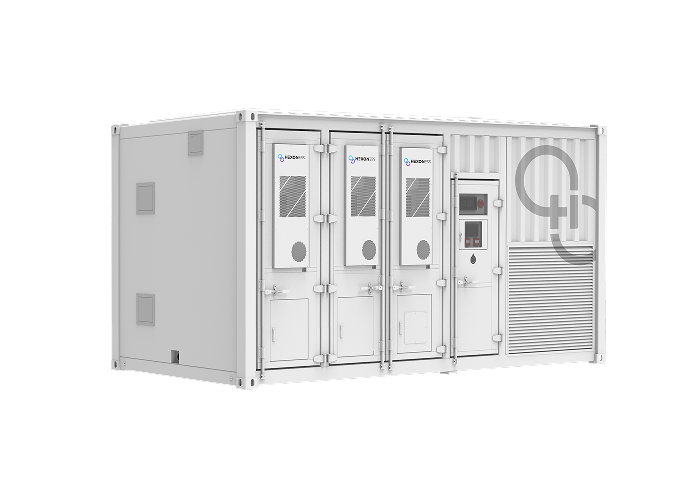
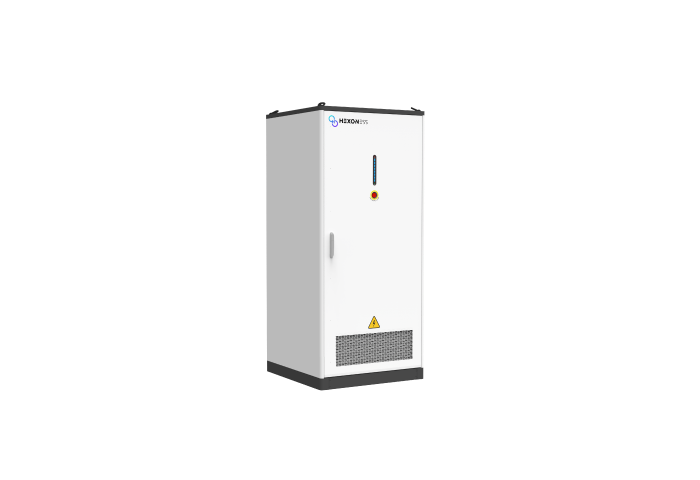
This guide explains the questions to ask before specifying a commercial and industrial BESS, with the Hexon Energy HA-215-418-2 as a product reference.
Understand what liquid cooling does
Batteries generate heat during charging and discharging. A liquid cooling circuit transfers heat from battery heat exchange components to thermal management equipment, which rejects it to the surrounding environment. Low temperature operation also requires temperature control appropriate to the battery design.
Installing a cooling unit does not, by itself, establish thermal performance. Sensor placement, coolant distribution and control settings all need evaluation. Ask for results under defined ambient temperature, power and state of charge conditions rather than assuming full power throughout the entire environmental range.
Define the site and duty cycle first
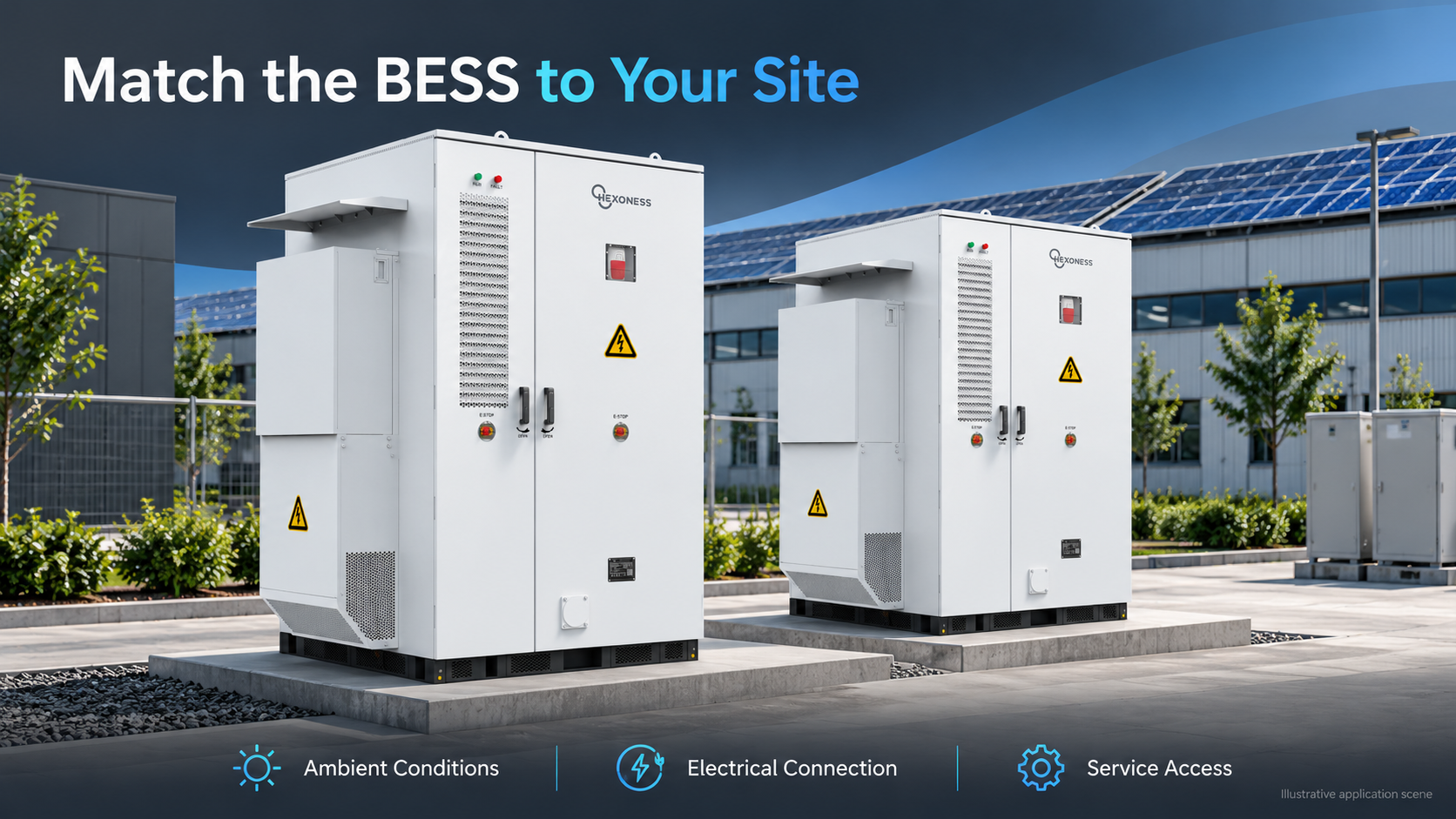
Record the installation location, temperature extremes, solar exposure, humidity, altitude and corrosion conditions. Then define charging power, discharging power, daily operating windows and the intended state of charge range.
Projects in India and Spain require site specific inputs. A country name alone is insufficient to determine cooling requirements. For hot or coastal locations, request applicable derating information, corrosion options and installation clearance requirements.
Compare three practical factors
First, review thermal performance. Ask which temperatures are monitored, what control targets apply and how performance was tested. Temperature spread figures measured under different loads or ambient conditions are not directly comparable.
Second, check auxiliary consumption. Cooling equipment, pumps and controls consume electricity. An efficiency comparison should identify the measurement boundary and whether auxiliary loads are included. It should also distinguish one way conversion efficiency from round trip efficiency.
Third, assess maintenance access. Review coolant connections, inspection requirements, alarm information and replacement part availability. Initial equipment cost should be considered alongside the work needed to maintain reliable operation.
Evaluate the 418 kWh configuration
The Hexon Energy HA-215-418-2 combines 215 kW rated power with 418 kWh battery capacity and intelligent liquid cooling. Its rated AC voltage is 690/800 V. The datasheet lists an operating environment of −30°C to +55°C; confirm power limits and charging conditions for the proposed site rather than interpreting that range as an unconditional full power guarantee.
The model is positioned as an approximately two hour configuration. Dividing 418 kWh by 215 kW gives about 1.94 hours before usable energy limits, losses and operating conditions are considered. Actual AC discharge duration requires a project calculation.
Frequently asked questions
Is liquid cooling always the best option
The choice depends on the application. Compare thermal performance, auxiliary consumption, service requirements and cost under equivalent conditions.
Does liquid cooling eliminate maintenance
No. Follow the equipment service schedule and inspect applicable connections, coolant conditions and alarms.
What information is needed for selection
Provide site conditions, a single line diagram, load data and the proposed duty cycle. Contact Hexon Energy to discuss the HA-215-418-2 cooling configuration and connection requirements.